
"Santo Domingo region"
500 article(s) found

Flavor description of Dominica Santo Domingo Coffee
The Dominican Republic is a popular country for travelers. It lives next to Haiti on the island of Hispaniola in the West Indies, Dominica in the west and Haiti in the east. The whitest and softest white sand in the world, the cool sea breeze from the Atlantic and Caribbean and the warm sunshine in the tropics make it a holiday paradise on a par with Maldives and Hawaii.

Dominica Santo Domingo Coffee with a lingering aftertaste
The earliest coffee in Dominica was introduced from Martinique (the overseas province of France), dating back to the early 18th century. Dominica is an island country with a tropical climate. The temperature changes little throughout the year. Except for the lower temperature in the Central Cordillera Mountains, which can reach less than 0 ℃ in winter, the annual average temperature in other areas is between 25 and 30 ℃, which is affected by the mountain topography.

The taste characteristics of Santo Domingo coffee varieties with faint and silky fruit aroma. Manor boutique coffee bean flavor.
Dominica Dominica: Santo Domingo coffee taste characteristics: fresh and elegant, full particles, excellent acidity, pleasant flavor. The Dominican Republic is located in the east of the island of Haiti in the West Indies, bordering the Republic of Haiti to the west, the Atlantic Ocean to the north and the Caribbean Sea to the south. With an area of about 49000 square kilometers and a population of 7.1 million, the Dominican Republic and the Republic of Haiti coexist in
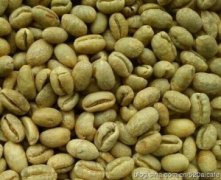
Caribbean Dominica Santo Domingo coffee beans
Flavor and taste characteristics: fresh and elegant, full particles, excellent acidity, pleasant aroma. The Dominican Republic is located in the east of the island of Haiti in the West Indies, bordering the Republic of Haiti to the west, the Atlantic Ocean to the north and the Caribbean Sea to the south. With an area of about 49000 square kilometers and a population of 7.1 million, the Dominican Republic and the Republic of Haiti coexist on an island bordering Haiti. Like its neighbors.

Rich taste, lingering aftertaste, smooth and smooth coffee from Santo Domingo coffee producing region of Dominica
Turning to the introduction of Dominican coffee, the most distinctive features are fresh and elegant, full of particles, excellent acidity and pleasant flavor (two colleagues agree with this). Such flavor characteristics are not only related to the variety and the quality of the soil, but also closely related to the picking and handling of raw beans. Dominica's coffee is selected by the most expensive manual method, workers.

Introduction to the characteristics of Santo Domingo Coffee Grinding method in Dominica
The earliest coffee in Dominica was introduced from Martinique (the overseas province of France), dating back to the early 18th century. Dominica is an island country with a tropical climate. The temperature changes little throughout the year. Except for the lower temperature in the Central Cordillera Mountains, which can reach less than 0 ℃ in winter, the annual average temperature in other areas is between 25 and 30 ℃, which is affected by the mountain topography.
The taste of full-bodied Dominican fine coffee beans grind roasting degree processing method
The Dominican Republic is a favorite country for travelers. It borders Haiti on Hispaniola in the West Indies, Dominica to the west and Haiti to the east. The whitest, softest white beaches in the world, cool ocean breezes from the Atlantic and Caribbean and warm tropical sunshine make it a holiday paradise on par with the Maldives and Hawaii

A brief introduction to the description of flavor and taste characteristics of Dominica Santo Domingo coffee
Turning to the introduction of Dominican coffee, the most distinctive features are fresh and elegant, full of particles, excellent acidity and pleasant flavor (two colleagues agree with this). Such flavor characteristics are not only related to the variety and the quality of the soil, but also closely related to the picking and handling of raw beans. Dominica's coffee is selected by the most expensive manual method, workers.
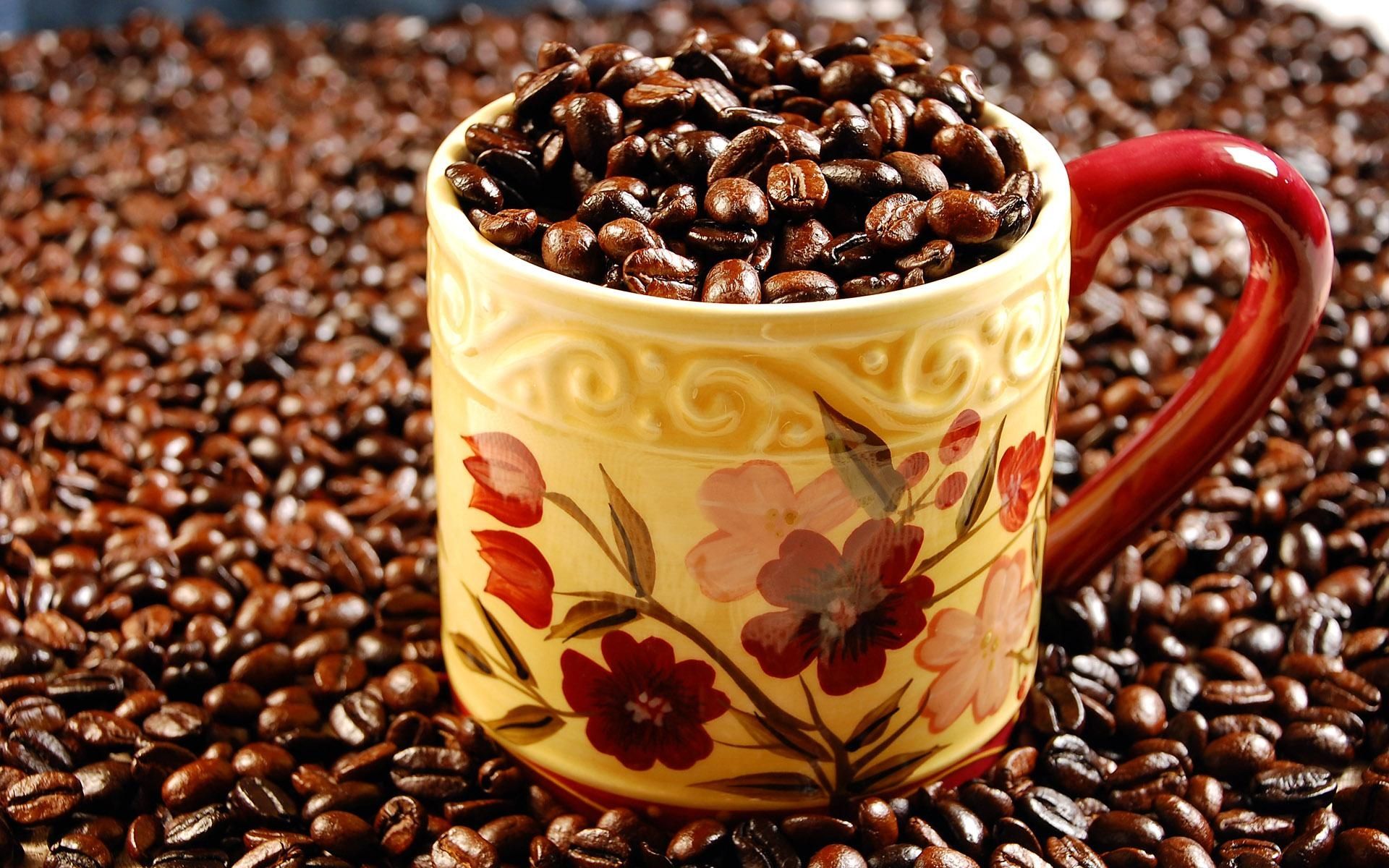
Introduction to coffee from Santo Domingo
Follow the caf é (Wechat official account vdailycom) and found that the coffee in Dominica is grown in highlands and lowlands, and the taste is slightly different. The upland is sour, but the taste is rich; the lowland is less sour and tastes smoother. In recent years, boutique coffee is popular, and the high-quality coffee beans produced by some Dominican estates have a rich aroma.

Introduction to the characteristics of flavor description treatment of Dominica Santo Domingo coffee
The earliest coffee in Dominica was introduced from Martinique (the overseas province of France), dating back to the early 18th century. Dominica is an island country with a tropical climate. The temperature changes little throughout the year. Except for the lower temperature in the Central Cordillera Mountains, which can reach less than 0 ℃ in winter, the annual average temperature in other areas is between 25 and 30 ℃, which is affected by the mountain topography.

Introduction to taste treatment of grinding scale varieties of Dominica Santo Domingo coffee
The earliest coffee in Dominica was introduced from Martinique (the overseas province of France), dating back to the early 18th century. Dominica is an island country with a tropical climate. The temperature changes little throughout the year. Except for the lower temperature in the Central Cordillera Mountains, which can reach less than 0 ℃ in winter, the annual average temperature in other areas is between 25 and 30 ℃, which is affected by the mountain topography.

Fresh, light, full-grain Dominican coffee Santo Domingo coffee
The earliest coffee in Dominica was introduced from Martinique (French overseas department), dating back to the early 18th century. Dominica is an island country with a tropical climate. The temperature changes little throughout the year. Except for the middle Cordillera mountain area, where the temperature is lower than 0℃ in winter, the average annual temperature in other areas is between 25 and 30℃, which is affected by the terrain of the mountains.

Pure and soft Dominica coffee producing area introduces fine coffee beans Santo Domingo coffee
The earliest coffee in Dominica was introduced from Martinique (the overseas province of France), dating back to the early 18th century. Dominica is an island country with a tropical climate. The temperature changes little throughout the year. Except for the lower temperature in the Central Cordillera Mountains, which can reach less than 0 ℃ in winter, the annual average temperature in other areas is between 25 and 30 ℃, which is affected by the mountain topography.

Introduction to the fresh, elegant and full-grained coffee flavor manor of Dominica Santo Domingo
Coffee in Dominica varies slightly in taste according to the altitude of the region where it is grown, with sour but rich taste in the highlands, and less sour and smoother taste in the lowlands. On the other hand, the high-quality coffee beans produced by some Dominican estates have a rich aroma, mellow taste, moderately bright sour taste, and are often used with famous Puerto Rican or Jamaican coffee.

Dominican Coffee Flavor-Santo Domingo Coffee
Unlike coffee produced in Haiti, most of the coffee grown in the Dominican Republic has been washed, which is a symbol of high quality. Miniga Coffee uses a washing method to treat coffee beans, so that the quality of treated coffee beans is more guaranteed. The coffee beans treated by washing method retain more original flavor than the drying method, and the aroma is pure and soft. "Dominica coffee beans | Santo Domingo

A brief introduction to the market price of bright and sour Dominican boutique coffee beans
The earliest coffee in Dominica was introduced from Martinique (the overseas province of France), dating back to the early 18th century. Dominica is an island country with a tropical climate. The temperature changes little throughout the year. Except for the lower temperature in the Central Cordillera Mountains, which can reach less than 0 ℃ in winter, the annual average temperature in other areas is between 2530 ℃, which is affected by the mountain topography.

What is the quality of coffee produced by island countries? Dominica Santo Domingo coffee
The earliest coffee in Dominica was introduced from Martinique (the overseas province of France), dating back to the early 18th century. Dominica is an island country with a tropical climate. The temperature changes little throughout the year. Except for the lower temperature in the Central Cordillera Mountains, which can reach less than 0 ℃ in winter, the annual average temperature in other areas is between 25 and 30 ℃, which is affected by the mountain topography.

Introduction to Santo Domingo Coffee from Dominica Coffee Manor
Coffee in Dominica is grown in highlands and lowlands, and its taste is slightly different. The upland is sour, but the taste is rich; the lowland is less sour and tastes smoother. Boutique coffee has become popular in recent years. High-quality coffee beans produced by some Dominican estates have a rich aroma, mellow taste and moderately bright sour taste, and have been bought with the more famous Puerto Rico beans or teeth.

Introduction to Santo Domingo Coffee varieties in smooth and smooth Dominican Coffee producing area
The earliest coffee in Dominica was introduced from Martinique (the overseas province of France), dating back to the early 18th century. Dominica is an island country with a tropical climate. The temperature changes little throughout the year. Except for the lower temperature in the Central Cordillera Mountains, which can reach less than 0 ℃ in winter, the annual average temperature in other areas is between 25 and 30 ℃, which is affected by the mountain topography.

Smooth and smooth Santo Domingo Coffee Flavor Manor introduces the characteristics of Dominican coffee
The earliest coffee in Dominica was introduced from Martinique (the overseas province of France), dating back to the early 18th century. Dominica is an island country with a tropical climate. The temperature changes little throughout the year. Except for the lower temperature in the Central Cordillera Mountains, which can reach less than 0 ℃ in winter, the annual average temperature in other areas is between 25 and 30 ℃, which is affected by the mountain topography.